
Bliss Travel
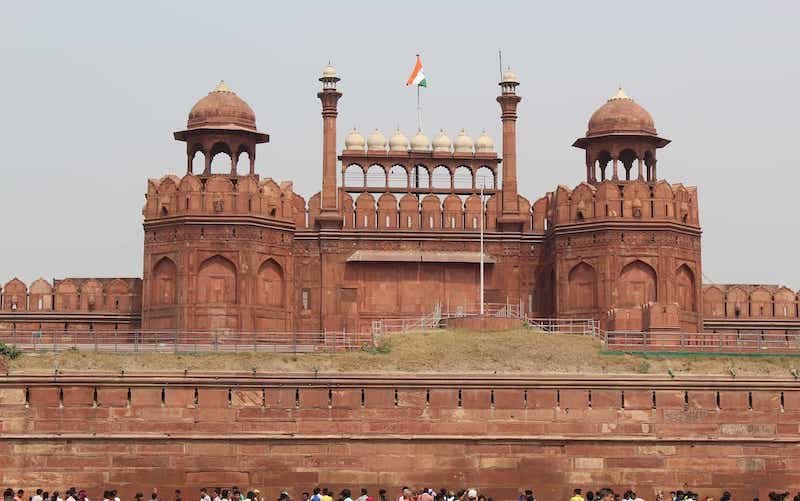
GOLDEN TRIANGLE
Duration: 6 Nights – 7 Days
Delhi - Agra – Jaipur
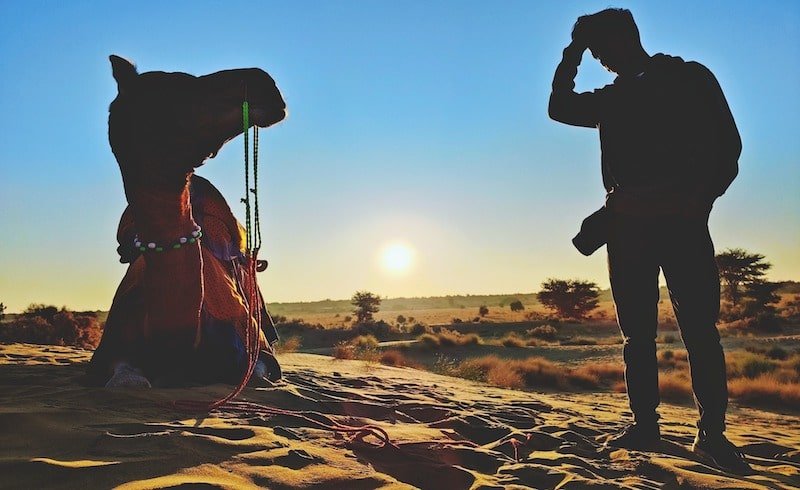
DESERT TRAILS
Duration: 13 Nights – 14 Days
Delhi - Mandawa - Bikaner - Jaisalmer - Jodhpur - Udaipur - Pushkar - Jaipur - Agra - Delhi
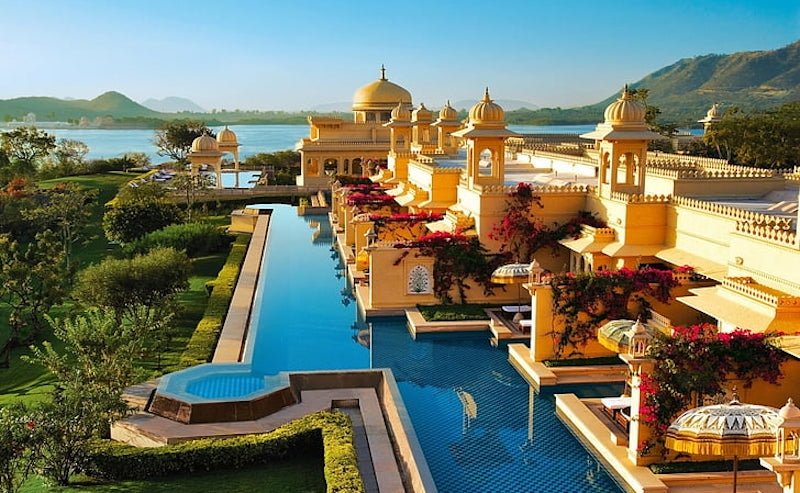
MAGNIFICENT RAJASTHAN
Duration: 12 Nights – 13 Days
Delhi - Agra - Ranthambhore - Kota - Udaipur - Deogarh - Jaipur - Delhi
DETAILS & ITINERARY:
GOLDEN TRIANGLE
Duration: 6 Nights – 7 Days
Destinations Covered :
Delhi – Agra – Jaipur – Delhi
SCHEDULE
Duration: 6 Nights – 7 Days
DAY 01 : ARRIVAL IN DELHI by Flight/Train
Morning arrival at Delhi airport / railway station. Upon arrival you will be met by our driver who will transfer you to your hotel.
Delhi – India’s capital and a major gateway to the country, Delhi is a bustling metropolis which successfully combines in its fold the ancient and the modern. Its strategic location was one of the prime reasons why successive dynasties chose it as their seat of power. It is not surprising then, that what constitutes Delhi today is a conglomerate of seven cities.
Afternoon go for Delhi temple tour visiting Akshardham and Bahai temples.
Swaminarayan Akshardham in New Delhi epitomizes 10,000 years of Indian culture in all its breathtaking grandeur, beauty, wisdom an d bliss. It brilliantly showcases the essence of India’s ancient architecture, traditions and timeless spiritual messages. The Akshardham experience is an enlightening journey through India’s glorious art, values and contributions for the progress, happiness and harmony of mankind. The complex was inaugurated on 6 November, 2005.
Bahá’í temple is built in the shape of a lotus flower and is the last of seven Major Bahai’s temples built around the world. Completed in 1986 it is set among the lush green landscaped gardens. The structure is made up of pure white marble The architect Furiburz Sabha chose the lotus as the symbol common to Hinduism, Buddhism, Jainism and Islam. Adherents of any faith are free to visit the temple and pray or meditate. Around the blooming petals there are nine pools of water, which light up, in natural light.
Overnight stay in Delhi.
DAY 02 : DELHI
Breakfast at the hotel.
Later go for a full day sightseeing tour of Old and New Delhi. In Old Delhi, you will visit Jama Mosque – built in 1656, an architectural extravaganza of Shah Jahan. One of the largest mosques, a handsome structure that is still a house of worship for Muslims. Later enjoy a bicycle ride in Old Delhi crossing various local markets of Old Delhi like Chandni Chowk, Khari Baoli. Stop at Red fort for a photograph from outside. Later visit Rajghat where Mahatma Gandhi (Father of the Nation) was cremated following his assassination in 1948.
Afternoon proceed for New Delhi tour visiting India Gate – a memorial raised in honour of India Troops who laid down their lives during Afghan war in 1919. Drive through President’s House and Parliament House. Later visit Humayun’s tomb (a world heritage site), built in 1570, is of particular cultural significance as it was the first garden-tomb on the Indian subcontinent. It inspired several major architectural innovations, culminating in the construction of the Taj Mahal. Also visit Qutab Minar – another world heritage site in Delhi. The tall minaret was constructed in 1192 by Qutab-ud-din Aibak, and later completed by his successor Iltutmish. The soaring conical tower is an exquisite example of Indo-Islamic Afghan architecture.
Evening explore Connaught Place market.
Overnight stay at the hotel.
DAY 03 : DELHI - AGRA by Surface (Approximately 3.5 hrs drive + stops)
Breakfast at the hotel.
Later you will be picked up from your hotel and will be driven to Agra, approx. 210 kms drive. Upon arrival in Agra check in at the hotel.
Agra was the seat of the imperial Mughal court during the 16th and 17th centuries, before the capital was shifted to Delhi. The city, strategically located on the banks of the Yamuna and along the Grand Trunk Road, flourished under the patronage of the emperors Akbar, Jahangir and Shah Jahan, attracting artisans from Persia and Central Asia, and also from other parts of India, who built luxurious forts, palaces, gardens and mausoleums. Today a visitor to Agra is caught up in a world of contrasting edifices, of red sandstone and white marble, narrow galleys and quaint buggies, and that irresistible charm that this favorite city of the Mughals still retains. It is not surprising, that modern Agra still reflects its Mughal heritage most conspicuously. A walk down the narrow bustling streets of the city will introduce the visitor to the wafting aroma of Mughlai cuisine.
Afternoon visit Itmad-ud-Daulah’s tomb. Itmad-Ud-Daula is a Mughal mausoleum in the city of Agra is often described as a “jewel box”, sometimes called the “Baby Taj”.
Later visit Agra fort – a 16th century Mughal monument which is now a UNESCO World Heritage site. Built by famed Mughal emperor Akbar, the fort is predominantly of red sandstone. It comprises many fairy-tale palaces, such as the Jahangir Palace and the Khas Mahal, built by Shah Jahan; audience halls, such as the Diwan-i-Khas; and two very beautiful mosques.
Also visit Mehtab Bagh – It is a small garden, which lies close to Taj Mahal. This garden is very famous for spotting Taj Mahal from a distance. This garden, originally built by Emperor Babur as the last in a series of 11 parks on the Yamuna’s east bank (long before the Taj was conceived). To protect the Taj from the erosive effects of the sand blown across the river, the park was reconstructed and is now one the best places from which to view the great mausoleum.
Overnight stay in Agra.
DAY 04 : AGRA - FATEHPUR SIKRI - JAIPUR by Surface (Approx. 05 hrs drive + stops)
Early morning visit Taj Mahal (monument closed on Fridays) during sunrise. An immense mausoleum of white marble, built in Agra between 1631 and 1653 by order of the Mughal emperor Shah Jahan in memory of his favourite wife, Mumtaz Mahal, the Taj Mahal is the jewel of Muslim art in India and one of the universally admired masterpieces of the world’s heritage. Little needs to be said about this architectural wonder, which is always the soul raison-de-etre for every tourist’s visit to Agra. It’s perfect proportions and exquisite craftsmanship have been described as “a vision, a dream, a poem, a wonder”. Apart from its stunning design balance and perfect symmetry, the Taj is also noted particularly for its elegant domes, intricately carved screens and some of the best inlay work ever seen.
Return to the hotel for breakfast. Later you will be driven to Jaipur. Enroute you will visit Fatehpur Sikri, approx. 01 hr drive from Agra.
Fatehpur Sikri is 37 km west of Agra. Built during the second half of the 16th century by the Emperor Akbar, Fatehpur Sikri (the City of Victory) was the capital of the Mughal Empire for only some 13 years. While hunting around Sikri his curiosity was aroused by the songs of some minstrels about the celebrated Khwaja -Mu’inu’d-din Chisti, the founder of the Chisti order of sufis. Akbar, who was without a male heir heard about Saint Salim Chisti and visited him in the year 1568,. The saint blessed him with 3 sons and in gratitude Akbar ordered the great mosque of Fatehpur Sikri built under his supervision. As a mark of respect to the saint, Akbar shifted his capital to Fatehpur Sikri and built various secular buildings like the Diwan-I-Aam, Diwan-I-Khas, Jodhabai palace, Birbal’s house, Marian’s house and the Panchmahal.
After the visit you will continue your drive to Jaipur, approx. 04 hrs drive. Upon arrival check in at the hotel.
Jaipur is the capital of the state of Rajasthan, founded in 1727 by Jai Singh II, the Raja of Amer who ruled from 1688 to 1743. Planned by Vidyadhar Bhattacharya, Jaipur holds the distinction of being the first planned city of India. The construction of the city began in 1727 and took four years to complete the major roads, offices and palaces. The city was divided into nine blocks, two of which contained the state buildings and palaces, with the remaining seven allotted to the public. Jaipur is known as the ’Pink City’ on account of the distinctive color of its buildings. The story goes that in 1876, the Prince of Wales visited India on a tour. Since the colour pink was symbolic of hospitality, Maharaja Ram Singh of Jaipur painted the entire city pink. The pink that colours the city makes for a marvellous spectacle to behold. Jaipur rises up majestically against the backdrop of the forts Nahargarh, Jaigarh and Moti Doongri.
Overnight stay in Jaipur.
DAY 05 : JAIPUR
Breakfast at the hotel.
Later proceed for an excursion to Amber Fort. Upon arrival climb up to the fort on Elephant back. Amber is the classic Rajasthani fort palace. Its construction was started by Man Singh I in 1592, and completed by his descendent Jai Singh I. It was the bastion of the Kachwahas of Amber, until the capital was moved to the plains, to what is today Jaipur. Its forbidding exterior belies an inner paradise where a beautiful fusion of Mughal and Hindu styles finds its ultimate expression.
Later in the afternoon go for a city tour of Jaipur visiting City Palace, Jantar Mantar (The Observatory) and drive pass through Hawa Mahal (also known as Palace of Winds).
City Palace – A delightful blend of Mughal and traditional Rajasthani architecture, the City Palace sprawls over one-seventh of the area in the walled city. The City Palace Complex includes the Mubarak Mahal (the palace of reception) and the Maharani’s Palace (the palace of the queen). Mubarak Mahal now houses the Maharaja Sawai Man Singh II Museum and displays a vast and unique collection of royal costumes, delicate Pashmina (Kashmiri) shawls, Benaras silk saris, and other dresses with Sanganeri prints and folk embroidery. The clothes of Maharaja Sawai Madho Singh I are also on display. The Maharani’s Palace, surprisingly, has an interesting display of very well-preserved Rajput weaponry, some dating back to the 15th century. Other than the arms, the palace is adorned with beautiful paintings on the ceiling that are well-maintained.
Jantar Mantar – This is the largest and the best preserved of the five observatories built by Jai Singh II in different parts of the country. It contains fourteen geometric devices, designed to measure time, track celestial bodies and observe the orbits of the planets around the sun.
Hawa Mahal – The ornamental facade of this “Palace of Winds” is a prominent landmark in Jaipur. It is a five-storey structure of sandstone-plastered pink encrusted with fine trelliswork and elaborates balconies. Built in 1799 by Pratap Singh, it was designed for the women of the royal family to sit in privacy while observing life on the street.
Evening free at leisure to explore local markets of Jaipur with car at disposal.
Overnight stay in Jaipur.
DAY 06 : JAIPUR - DELHI by Surface (Approximately 05 hrs drive + stops) Delhi Departure by flight / train
Breakfast at the hotel.
On time you will be picked up and transferred to Delhi airport / Railway Station to connect your onward flight / train.
DETAILS & ITINERARY:
DESERT TRAILS
Duration: 13 Nights – 14 Days
Destinations Covered :
Delhi (02 nights) – Mandawa (01 night) – Bikaner (01 night) – Jaisalmer (02 nights) – Jodhpur (01 night) – Udaipur (02 nights) – Pushkar (01 night) – Jaipur (02 nights) – Agra (01 night) – Delhi
SCHEDULE
Duration: 13 Nights – 14 Days
DAY 01 : ARRIVAL IN DELHI by flight / train
Arrival at Delhi by flight / train in the morning. Upon arrival you will be met by our driver who will transfer you to your hotel.
Hotel’s normal check in time is 1400 hrs. We will try to provide you room upon arrival or as soon as possible which will be subject to availability at the time of check in.
Delhi – India’s capital and a major gateway to the country, Delhi is a bustling metropolis which successfully combines in its fold the ancient and the modern. Its strategic location was one of the prime reasons why successive dynasties chose it as their seat of power. It is not surprising then, that what constitutes Delhi today is a conglomerate of seven cities.
Afternoon go for Delhi temple tour visiting Akshardham and Bahai temples.
Swaminarayan Akshardham in New Delhi epitomizes 10,000 years of Indian culture in all its breathtaking grandeur, beauty, wisdom an d bliss. It brilliantly showcases the essence of India’s ancient architecture, traditions and timeless spiritual messages. The Akshardham experience is an enlightening journey through India’s glorious art, values and contributions for the progress, happiness and harmony of mankind. The complex was inaugurated on 6 November, 2005.
Bahá’í temple is built in the shape of a lotus flower and is the last of seven Major Bahai’s temples built around the world. Completed in 1986 it is set among the lush green landscaped gardens. The structure is made up of pure white marble The architect Furiburz Sabha chose the lotus as the symbol common to Hinduism, Buddhism, Jainism and Islam. Adherents of any faith are free to visit the temple and pray or meditate. Around the blooming petals there are nine pools of water, which light up, in natural light.
Overnight at hotel
DAY 02 : DELHI
Breakfast at the hotel.
Later go for a full day sightseeing tour of Old and New Delhi. In Old Delhi, you will visit Jama Mosque – built in 1656, an architectural extravaganza of Shah Jahan. One of the largest mosques, a handsome structure that is still a house of worship for Muslims. Later enjoy a bicycle ride in Old Delhi crossing various local markets of Old Delhi like Chandni Chowk, Khari Baoli. Stop at Red fort for a photograph from outside. Later visit Rajghat where Mahatma Gandhi (Father of the Nation) was cremated following his assassination in 1948.
Afternoon proceed for New Delhi tour visiting India Gate – a memorial raised in honour of India Troops who laid down their lives during Afghan war in 1919. Drive through President’s House and Parliament House. Later visit Humayun’s tomb (a world heritage site), built in 1570, is of particular cultural significance as it was the first garden-tomb on the Indian subcontinent. It inspired several major architectural innovations, culminating in the construction of the Taj Mahal. Also visit Qutab Minar – another world heritage site in Delhi. The tall minaret was constructed in 1192 by Qutab-ud-din Aibak, and later completed by his successor Iltutmish. The soaring conical tower is an exquisite example of Indo-Islamic Afghan architecture.
Overnight stay in Delhi.
DAY 03 : NEW DELHI - MANDAWA (Approximately 07 Hrs drive)
Breakfast at the hotel.
Later you will be driven to Mandawa and upon arrival check-in at hotel.
MANDAWA – Often called the open air art gallery of Rajasthan, the region of medieval Shekhawati comprises the present-day districts of Sikar & Jhunjhunu. The high-quality frescoes which this region is famous for date between 1750 & 1930. A majority of the frescoes have been executed on the ‘havelis’ or mansions.
Afternoon visit the havelis (huge mansions) with fresco paintings (paintings on walls and ceilings using vegetable and mineral colors).
Overnight in Mandawa.
DAY 04 : MANDAWA – BIKANER (Approximately 04 Hrs drive)
Breakfast at the hotel.
Later drive to BIKANER and upon arrival check-in at Hotel.
BIKANER – Bikaner is a modern city with comforts characteristic of the 20th century. The camel breeding farm is world famous for producing the best riding camels. A former hunting lodge now converted into a hotel; a temple dedicated to the tutelary deity of Bikaner which provides sanctuary to rats and the vast Ganga.
Afternoon proceed for sightseeing of Bikaner city & you will see visit the following monuments:
☞ Junagarh Fort – Which has since been expanded and contains several exquisite palaces – among them Anup Mahal and Badal Mahal.
☞ Karni Mata Temple – is a Hindu temple dedicated to Karni Mata at Deshnok, 30 Kms from Bikaner. It is also known as the Temple of Rats
Overnight in Bikaner.
DAY 05 : BIKANER – JAISALMER (Approximately 06 Hrs drive)
Breakfast at the hotel.
Later drive to JAISALMER and upon arrival check-in at hotel.
JAISALMER: Deep in the heart of the Thar Desert is Jaisalmer, one of the last princely bastions in the region. Founded on what was the crossroad of lucrative trade routes, this remote settlement came to be celebrated for the velour of its rulers, and for the aesthetic sense represented by their palaces and haveli.
Late Afternoon: Proceed for excursion to Sam Sand Dunes – 45 kms west of Jaisalmer undoubtedly the most well-known destination in Jaisalmer after the ‘golden fort’. Enjoy Jeep ride in the dunes and also a small ride on camel back to witness the spectacular sunset behind the golden desert.
Overnight in Jaisalmer.
DAY 06 : JAISALMER
Breakfast at the hotel.
Later proceed for sightseeing of JAISALMER & you will visit following monuments + sites:
☞ Jaisalmer Fort – Fort built in 1156 AD, by the Rawal Jaisal. The Fort has 99 bastions around its circumference. ☞ Patwon Ki Haveli – which is most elaborate and magnificent, best know for its latticed façade.
Later, return back to hotel in Jaisalmer.
Overnight in Jaisalmer.
DAY 07 : JAISALMER – JODHPUR (Approximately 05 Hrs drive)
Breakfast at the hotel.
Later you will be transferred to JODHPUR, upon arrival check-in at hotel.
JODHPUR – is a resplendent city, with a blend of modern and traditional buildings. There are many palaces and ethnic handicrafts shops here. In the heart of the Thar Desert, Jaisalmer’s arid wilderness was transformed by former rulers and merchants who built elaborate and splendid haveli of sandstone.
Afternoon proceed for sightseeing tour of JODHPUR city and you will see the following monuments + sites:
☞ Mehrangarh Fort – is one of the largest forts in India. Built around 1460 by Rao Jodha, the fort is situated 120 meters above the city and is enclosed by imposing thick walls. ☞ Jaswant Thada – The Jaswant Thada is an architectural landmark located in Jodhpur. It is a white marble memorial built by Maharaja Sardar Singh of Jodhpur State in 1899 in memory of his father, Maharaja Jaswant Singh II.
Evening visit of the local colorful market of Jodhpur.
Overnight stay in Jodhpur.
DAY 08 : JODHPUR – RANAKPUR – UDAIPUR (Approximately 06 Hrs drive + visits and stops)
Breakfast at the hotel.
Later drive to UDAIPUR, en – route stop in RANAKPUR to visit Jain temple.
Ranakpur – is the cluster of temples, made of intricately sculpted white marble, comes across as a marvelous feat of architecture. The main temple is supported on 1,444 pillars – none of which are similarly carved. The Jain temples house statues of mahavira and other Jain saints. (Entry for non-Jains is from 1200 Hrs to 1600 Hrs)
Afternoon : Continue drive to UDAIPUR, upon arrival check in at hotel.
UDAIPUR – The Venice of the east, Udaipur is an enchanting city. From lakes in the midst of sandy terrain to green forested hills where wildlife still abounds, the surprises are endless. And, in the lakes, or by their edges, are palaces straight out of fairy tales, each more beautiful than the other.
Overnight stay in Udaipur.
DAY 09 : UDAIPUR
Breakfast at the hotel.
Later proceed for sightseeing tour of UDAIPUR city and you will see the following monuments + sites:
☞ The City Palace – is an amazing collection of beautiful decorated rooms and enclosures with glimpse out over the city and lake.
☞ Saheliyon Ki Bari – A garden of lotus pools, fountains and marble elephants which combine to give a totally exotic feeling of cool decadence.
☞ Jagdish Temple- Jagdish Temple is a large Hindu temple in the middle of Udaipur. A big tourist attraction, the temple was originally called the temple of Jagannath Rai but is now called Jagdish-Ji temple.
Evening enjoy boat Ride on Lake Pichola.
Overnight stay in Udaipur.
DAY 10 : UDAIPUR – PUSHKAR (Approximately 05 Hrs drive)
Breakfast at the Hotel.
Later you will be driven to PUSHKAR, upon arrival check-in at the hotel.
PUSHKAR – The holy town in Rajasthan is known for its sacred lake and the only Brahma Temple in the world. Legend has it that this lake was formed where Lord Brahma – the lord of creation – dropped a lotus on the day of the full moon. Every November, the famous Pushkar Fair is held here. The Fair is predominantly a gathering of thousands of camels, cattle and horses for trade.
Later go for sightseeing of Pushkar and visit Sun temple followed by walk in Pushkar local market, walk around the Ghats of auspicious Pushkar lake where you will see local people performing religious ceremonies. There is a possibility to climb up to Savitri Temple to enjoy panoramic view of Pushkar city.
Overnight stay in Pushkar.
DAY 11 : PUSHKAR – JAIPUR (Approximately 03 Hrs drive)
Breakfast at the hotel.
Later drive to JAIPUR, upon arrival check-in at hotel.
JAIPUR – blushing pink is the picturesque capital of Rajasthan, more famous as the ‘Pink City’. It was colour washed pink when Prince Albert, the consort of Queen Victoria of England visited India in 1883 A.D… Founded in 1727 A.D. by Maharaja Sawai Jai Singh II, this is the first planned city designed in accordance with ‘Shilpa Shastra’ – the epochal treatise of Hindu architecture.
Later in the afternoon visit local markets of Jaipur.
Overnight stay in Jaipur.
DAY 12 : JAIPUR
Breakfast at the hotel.
Later go for an excursion tour to Amber fort–
AMBER FORT – 11 Kms from Jaipur is Amber, the ancient capital of Jaipur state. Construction of the fort – palace was begun in 1592 by RAJA MAN SINGH and it was later extended and completed by the JAI SINGH before he move to Jaipur.
Enjoy Elephant ride while going up to the fort.
Afternoon proceed for sightseeing of PINK CITY and you will visit following monuments + sites:
☞ City Palace Museum– An imposing blend of traditional Rajasthan and Mughal art. The Museum is resplended with its collection of robes of Royal Princes, an accurate observatory built in 1726 AD.
☞ Jantar Mantar- an observatory, built by Jai Sing in 1728.
☞ Drive pass – Hawa Mahal: – A five storied wonder with a spectacular pyramid façade and overhanging windows with latticed screen, domes and spires.
Overnight stay in Jaipur.
DAY 13 : JAIPUR - FATEHPUR SIKRI - AGRA (Approximately 05 hrs drive + stops and visits)
Breakfast at the hotel.
Later drive to AGRA, enroute visit FATEHPUR SIKRI.
Fatehpur Sikri is 37 km west of Agra. Built during the second half of the 16th century by the Emperor Akbar, Fatehpur Sikri (the City of Victory) was the capital of the Mughal Empire for only some 13 years. While hunting around Sikri his curiosity was aroused by the songs of some minstrels about the celebrated Khwaja -Mu’inu’d-din Chisti, the founder of the Chisti order of sufis. Akbar, who was without a male heir heard about Saint Salim Chisti and visited him in the year 1568,. The saint blessed him with 3 sons and in gratitude Akbar ordered the great mosque of Fatehpur Sikri built under his supervision. As a mark of respect to the saint, Akbar shifted his capital to Fatehpur Sikri and built various secular buildings like the Diwan-I-Aam, Diwan-I-Khas, Jodhabai palace, Birbal’s house, Marian’s house and the Panchmahal.
After the visit continue your drive to Agra. Upon arrival check in at the hotel.
Agra was the seat of the imperial Mughal court during the 16th and 17th centuries, before the capital was shifted to Delhi. The city, strategically located on the banks of the Yamuna and along the Grand Trunk Road, flourished under the patronage of the emperors Akbar, Jahangir and Shah Jahan, attracting artisans from Persia and Central Asia, and also from other parts of India, who built luxurious forts, palaces, gardens and mausoleums. Today a visitor to Agra is caught up in a world of contrasting edifices, of red sandstone and white marble, narrow galleys and quaint buggies, and that irresistible charm that this favorite city of the Mughals still retains. It is not surprising, that modern Agra still reflects its Mughal heritage most conspicuously. A walk down the narrow bustling streets of the city will introduce the visitor to the wafting aroma of Mughlai cuisine.
Overnight stay in Agra.
DAY 14 : AGRA - DELHI (Approximately 3.5 hrs drive); DELHI DEPARTURE
Early morning visit Taj Mahal (monument closed on Fridays) during sunrise. An immense mausoleum of white marble, built in Agra between 1631 and 1653 by order of the Mughal emperor Shah Jahan in memory of his favourite wife, Mumtaz Mahal, the Taj Mahal is the jewel of Muslim art in India and one of the universally admired masterpieces of the world’s heritage. Little needs to be said about this architectural wonder, which is always the soul raison-de-etre for every tourist’s visit to Agra. It’s perfect proportions and exquisite craftsmanship have been described as “a vision, a dream, a poem, a wonder”. Apart from its stunning design balance and perfect symmetry, the Taj is also noted particularly for its elegant domes, intricately carved screens and some of the best inlay work ever seen.
Return to the hotel for breakfast.
Later visit Agra fort – a 16th century Mughal monument which is now a UNESCO World Heritage site. Built by famed Mughal emperor Akbar, the fort is predominantly of red sandstone. It comprises many fairy-tale palaces, such as the Jahangir Palace and the Khas Mahal, built by Shah Jahan; audience halls, such as the Diwan-i-Khas; and two very beautiful mosques.
Later you will be transferred to Delhi and upon arrival transfer to airport / railway station for an onward journey.
DETAILS & ITINERARY:
MAGNIFICENT RAJASTHAN
Duration: 12 Nights – 13 Days
Destinations Covered :
Delhi (02 nights) – Agra (01 night) – Ranthambhore (02 nights) – Kota (01 night) – Udaipur (02 nights) – Deogarh (02 nights) – Jaipur (02 nights) – Delhi
SCHEDULE
Duration: 12 Nights – 13 Days
DAY 01 : ARRIVAL DELHI By flight / train
Arrival at Delhi by flight / train in the morning. Upon arrival you will be met by our driver who will transfer you to your hotel.
Hotel’s normal check in time is 1400 hrs. We will try to provide you room upon arrival or as soon as possible which will be subject to availability at the time of check in.
Delhi – India’s capital and a major gateway to the country, Delhi is a bustling metropolis which successfully combines in its fold the ancient and the modern. Its strategic location was one of the prime reasons why successive dynasties chose it as their seat of power. It is not surprising then, that what constitutes Delhi today is a conglomerate of seven cities.
Afternoon go for Delhi temple tour visiting Akshardham and Bahai temples.
Swaminarayan Akshardham in New Delhi epitomizes 10,000 years of Indian culture in all its breathtaking grandeur, beauty, wisdom an d bliss. It brilliantly showcases the essence of India’s ancient architecture, traditions and timeless spiritual messages. The Akshardham experience is an enlightening journey through India’s glorious art, values and contributions for the progress, happiness and harmony of mankind. The complex was inaugurated on 6 November, 2005.
Bahá’í temple is built in the shape of a lotus flower and is the last of seven Major Bahai’s temples built around the world. Completed in 1986 it is set among the lush green landscaped gardens. The structure is made up of pure white marble The architect Furiburz Sabha chose the lotus as the symbol common to Hinduism, Buddhism, Jainism and Islam. Adherents of any faith are free to visit the temple and pray or meditate. Around the blooming petals there are nine pools of water, which light up, in natural light.
Overnight at hotel.
DAY 02 : DELHI
Breakfast at the hotel.
Later go for a full day sightseeing tour of Old and New Delhi. In Old Delhi, you will visit Jama Mosque – built in 1656, an architectural extravaganza of Shah Jahan. One of the largest mosques, a handsome structure that is still a house of worship for Muslims. Later enjoy a bicycle ride in Old Delhi crossing various local markets of Old Delhi like Chandni Chowk, Khari Baoli. Stop at Red fort for a photograph from outside. Later visit Rajghat where Mahatma Gandhi (Father of the Nation) was cremated following his assassination in 1948.
Afternoon proceed for New Delhi tour visiting India Gate – a memorial raised in honour of India Troops who laid down their lives during Afghan war in 1919. Drive through President’s House and Parliament House. Later visit Humayun’s tomb (a world heritage site), built in 1570, is of particular cultural significance as it was the first garden-tomb on the Indian subcontinent. It inspired several major architectural innovations, culminating in the construction of the Taj Mahal. Also visit Qutab Minar – another world heritage site in Delhi. The tall minaret was constructed in 1192 by Qutab-ud-din Aibak, and later completed by his successor Iltutmish. The soaring conical tower is an exquisite example of Indo-Islamic Afghan architecture.
Overnight stay in Delhi.
DAY 03 : DELHI - AGRA by Surface (Approx. 03.5 hrs drive + stops)
Breakfast at the hotel.
Later you will be picked up from your hotel and will be driven to Agra, approx. 210 kms drive. Upon arrival in Agra check in at the hotel Crystal Sarovar Premiere (Standard room).
Agra was the seat of the imperial Mughal court during the 16th and 17th centuries, before the capital was shifted to Delhi. The city, strategically located on the banks of the Yamuna and along the Grand Trunk Road, flourished under the patronage of the emperors Akbar, Jahangir and Shah Jahan, attracting artisans from Persia and Central Asia, and also from other parts of India, who built luxurious forts, palaces, gardens and mausoleums. Today a visitor to Agra is caught up in a world of contrasting edifices, of red sandstone and white marble, narrow galleys and quaint buggies, and that irresistible charm that this favorite city of the Mughals still retains. It is not surprising, that modern Agra still reflects its Mughal heritage most conspicuously. A walk down the narrow bustling streets of the city will introduce the visitor to the wafting aroma of Mughlai cuisine.
Afternoon visit Agra fort – a 16th century Mughal monument which is now a UNESCO World Heritage site. Built by famed Mughal emperor Akbar, the fort is predominantly of red sandstone. It comprises many fairy-tale palaces, such as the Jahangir Palace and the Khas Mahal, built by Shah Jahan; audience halls, such as the Diwan-i-Khas; and two very beautiful mosques.
Evening visit Taj Mahal (monument closed on Fridays) till sunset. An immense mausoleum of white marble, built in Agra between 1631 and 1653 by order of the Mughal emperor Shah Jahan in memory of his favourite wife, Mumtaz Mahal, the Taj Mahal is the jewel of Muslim art in India and one of the universally admired masterpieces of the world’s heritage. Little needs to be said about this architectural wonder, which is always the soul raison-de-etre for every tourist’s visit to Agra. It’s perfect proportions and exquisite craftsmanship have been described as “a vision, a dream, a poem, a wonder”. Apart from its stunning design balance and perfect symmetry, the Taj is also noted particularly for its elegant domes, intricately carved screens and some of the best inlay work ever seen.
Overnight stay in Agra.
DAY 04 : AGRA - FATEHPUR SIKRI - RANTHAMBHORE by Surface (Approx. 7 hrs drive + stops)
Return to the hotel for breakfast. Later you will be driven to Bharatpur. Enroute you will visit Fatehpur Sikri, approx. 01 hr drive from Agra.
Fatehpur Sikri is 37 km west of Agra. Built during the second half of the 16th century by the Emperor Akbar, Fatehpur Sikri (the City of Victory) was the capital of the Mughal Empire for only some 13 years. While hunting around Sikri his curiosity was aroused by the songs of some minstrels about the celebrated Khwaja -Mu’inu’d-din Chisti, the founder of the Chisti order of sufis. Akbar, who was without a male heir heard about Saint Salim Chisti and visited him in the year 1568,. The saint blessed him with 3 sons and in gratitude Akbar ordered the great mosque of Fatehpur Sikri built under his supervision. As a mark of respect to the saint, Akbar shifted his capital to Fatehpur Sikri and built various secular buildings like the Diwan-I-Aam, Diwan-I-Khas, Jodhabai palace, Birbal’s house, Marian’s house and the Panchmahal.
After the visit you will be transferred Ranthambhore. Upon arrival check in at the hotel.
Ranthambhore lies in the shadow of the Aravali and Vindhya mountain ranges and vocers a core area of 275 sq kms. It’s razor sharp ridges, deep boulder-filled gorges, lakes and jungles are the habitat of carnivores such as the caracal, panther, jackal and hyena, numerous species of deer, and a rich variety of resident and migratory birds. The most famous resident, however, is the endangered tiger, which is spotted quite frequently at Ranthambhore. Like other parks in the region, this was originally the hunting ground of Jaipur’s maharajas and it only became a Project Tiger Reserve in 1973.
Overnight stay in Ranthambhore.
DAY 05 : RANTHAMBHORE
Early morning you will be taken for jungle safari in shared Jeep.
Return back to the hotel after the safari. Breakfast and Lunch at the hotel.
Afternoon you will go for 2nd jungle safari in shared jeep. Return back to the hotel in the evening time.
Dinner at the hotel.
Overnight stay in Ranthambhore.
DAY 06 : RANTHAMBHORE - BUNDI by Surface (Approx. 04 hrs drive + stops)
Breakfast at the hotel.
Later you will be driven to Bundi. Upon arrival check in at the hotel.
Bundi is often described as the undiscovered jewel of Rajasthan. Surrounded on three sides by the rugged, thickly forested Aravalli Hills, this walled town has retained much of its historic character. Bundi was once ruled by the Hada Chauhans Rajput clan. Many historians claim that it was once the capital of the great Hadoti Kingdom, which was renowned for its art and sculpture. However, in 1624, Kota separated and became an independent state and this marked the beginning of the downfall of Bundi. Whether that may be, Bundi still retains its charismatic medieval grandeur. And just like Jodhpur and Rajput, the architecture of Bundi also possesses a noticeable bluish hue, designed to keep houses cool during hot summer, in the intricately carved brackets and pillars.
Afternoon go for sightseeing tour of Bundi visiting Bundi Palace or Garh Palace. The Garh Palace in Bundi is counted among the largest palaces in India, even if it is a little less known. Inside, the palace is a collection a number of palaces that were built by different rulers over the span of 3 centuries. Garh Palace is known for its Rajput architecture, which is easily noticeable in the jharokhas and pillars, many of which sport elephant carvings. Some of the famous palaces here include Chhatra Mahal, Phool Mahal and Badal Mahal, but one of the most famous ones has to be the Chitrashala, which has a fascinating pavilion and gallery of miniature murals.
Later visit Raniji ki Baori, Sukh Mahal and 84 pillared cenotaph.
Raniji ki Baori, also known as ‘Queen’s Stepwell’, is a famous stepwell built in 1699 by Rani Nathavati Ji, the younger queen of the ruling king Rao Raja Anirudh Singh of Bundi. This multi-storied stepwell displays excellent carvings of Gajraj with his trunk turned inwards, giving the impression of having drunk from the baori on its pillars. Its high arched gate gives it an inviting appearance.
Sukh Mahal, a small, two-storied palace was a summer retreat of past rulers. Today, it is quite famous for being the place where Kipling wrote ‘Kim’. Many credit the palace as a having played muse to the renowned novel. In fact, part of a movie based on the novel was even shot here.
The 84 Pillared Cenotaph is a structure supported by 84 columns. Commissioned by Rao Anirudh, the Maharaja of Bundi, this cenotaph is a tribute to his beloved wet nurse, Deva, who he loved dearly. A popular tourist attraction, this impressive structure is decorated with carvings of deer, elephants and apsaras.
Overnight stay in Bundi.
DAY 07 : BUNDI - CHITTORGARH - UDAIPUR by Surface (Approx. 07 hrs drive + stops)
Breakfast at the hotel.
Later you will be driven to Udaipur. Enroute visit famous fort of Chittorgarh.
Chittorgarh Fort is regarded as the symbol of Rajput chivalry, resistance and bravery. The fort is situated 175 kilometer to the east of Udaipur and is believed to be named after the person who built it, Chitrangada Mori. The famous Chittorgarh fort, which is one of the largest in India, is situated on a 180 meter high hill that rises from the banks of river Berach. The fort is known for its seven gates namely Padan Gate, Ganesh Gate, Hanuman Gate, Bhairon Gate, Jodla Gate, Lakshman Gate and the main gate which is named after Lord Ram. The Chittorgarh fort houses many palaces, like the Rana Kumbha Palace, the Fateh Prakash Palace, the Tower of Victory and Rani Padmini’s Palace. All these structures are significant for their Rajput architectural features. There are also many temples within the fort. Chittorgarh fort was declared as UNESCO World Heritage Site in 2013.
After the visit, continue your drive to Udaipur. Upon arrival check in at the hotel.
UDAIPUR – The Venice of the east, Udaipur is an enchanting city. From lakes in the midst of sandy terrain to green forested hills where wildlife still abounds, the surprises are endless. And, in the lakes, or by their edges, are palaces straight out of fairy tales, each more beautiful than the other.
Overnight stay in Udaipur.
DAY 08 : UDAIPUR
Breakfast at the hotel.
Morning you will go for a half day city tour visiting City Palace, Sahelion ki bari, Jagdish temple, Fatehsagar Lake.
The City Palace – is an amazing collection of beautiful decorated rooms and enclosures with glimpse out over the city and lake. Saheliyon Ki Bari – A garden of lotus pools, fountains and marble elephants which combine to give a totally exotic feeling of cool decadence. Other places of interest like. Fateh Sagar Lake – This lake is located north of Lake Pichola and is linked to it by a canal.
Evening you will take a sunset boat boat Ride on Lake Pichola (in a common shared boat).
Overnight stay in Udaipur.
DAY 09 : UDAIPUR - RANAKPUR - DEOGARH by Surface (Approx. 04 hrs drive + stops)
Breakfast at the hotel.
Later you will drive to Deogarh, approx. 185 kms distance. En – route stop in Ranakpur to visit famous Jain temple complex without guide. Audio Guide would be provided at temple complex.
Ranakpur – is the cluster of temples, made of intricately sculpted white marble, comes across as a marvelous feat of architecture. The main temple is supported on 1,444 pillars – none of which are similarly carved. The Jain temples house statues of mahavira and other Jain saints. (Entry for non Jains is from 12 noon to 5 pm).
Lunch at a restaurant in Ranakpur. After lunch you will continue drive to Deogarh, upon arrival check in at the hotel Deogarh Mahal.
Presently converted into a Heritage Hotel, the Deogarh Mahal was built in 1670 A.D. by Rawat Dwarka Dasji as his own residence. The architectural splendor of the 17th century Deogarh Mahal is reflected in its turrets, jharokhas and majestic gateways. A part of the palace is still occupied by the owner’s who are in charge of supervising and monitoring the proceedings of the hotel.
Overnight stay in Deogarh.
DAY 10 : DEOGARH
Breakfast at the hotel.
Later hotel staff will take you for a local train scenic ride through a wooded hill section. Hotel staff will take you to the charming Kamblighat station. It’s a local train and one is seated on wooden seats alongwith the locals who can be a wedding party, pilgrims, daily travelers, children and sometimes even their cattle. The train traverses through the Aravalli scrub jungle and through tunnels and over bridges; stopping en route at Goram Ghat Station in the forest, where monkeys arrive in hoardes and the travelers usually carry bananas or biscuits to feed them . The journey continues and you will disembark at Phulad station. Return to the hotel after this joy ride.
Rest of the day is free at leisure at the hotel or to walk in the village market.
Overnight stay in Deogarh.
DAY 11 : DEOGARH - PUSHKAR - JAIPUR by Surface (Approx. 06 hrs drive + stops)
Breakfast at the hotel.
Later you will be driven to Jaipur. Enroute visit Pushkar with guide. Pushkar is a small holy town in the state of Rajasthan famous for the Pushkar Lake, various ghats and temples spread all around the lake. After the visit continue your drive to Jaipur and upon arrival check in at the hotel Four Points by Sheraton (Standard room)
Jaipur is the capital of the state of Rajasthan, founded in 1727 by Jai Singh II, the Raja of Amer who ruled from 1688 to 1743. Planned by Vidyadhar Bhattacharya, Jaipur holds the distinction of being the first planned city of India. The construction of the city began in 1727 and took four years to complete the major roads, offices and palaces. The city was divided into nine blocks, two of which contained the state buildings and palaces, with the remaining seven allotted to the public. Jaipur is known as the ’Pink City’ on account of the distinctive color of its buildings. The story goes that in 1876, the Prince of Wales visited India on a tour. Since the colour pink was symbolic of hospitality, Maharaja Ram Singh of Jaipur painted the entire city pink. The pink that colours the city makes for a marvellous spectacle to behold. Jaipur rises up majestically against the backdrop of the forts Nahargarh, Jaigarh and Moti Doongri.
Overnight stay in Jaipur.
DAY 12 : JAIPUR
Breakfast at the hotel.
Later proceed for an excursion to Amber Fort. Upon arrival climb up to the fort on Elephant back. Amber is the classic Rajasthani fort palace. Its construction was started by Man Singh I in 1592, and completed by his descendent Jai Singh I. It was the bastion of the Kachwahas of Amber, until the capital was moved to the plains, to what is today Jaipur. Its forbidding exterior belies an inner paradise where a beautiful fusion of Mughal and Hindu styles finds its ultimate expression.
Later in the afternoon go for a city tour of Jaipur visiting City Palace, Jantar Mantar (The Observatory) and drive pass through Hawa Mahal (also known as Palace of Winds).
City Palace – A delightful blend of Mughal and traditional Rajasthani architecture, the City Palace sprawls over one-seventh of the area in the walled city. The City Palace Complex includes the Mubarak Mahal (the palace of reception) and the Maharani’s Palace (the palace of the queen). Mubarak Mahal now houses the Maharaja Sawai Man Singh II Museum and displays a vast and unique collection of royal costumes, delicate Pashmina (Kashmiri) shawls, Benaras silk saris, and other dresses with Sanganeri prints and folk embroidery. The clothes of Maharaja Sawai Madho Singh I are also on display. The Maharani’s Palace, surprisingly, has an interesting display of very well-preserved Rajput weaponry, some dating back to the 15th century. Other than the arms, the palace is adorned with beautiful paintings on the ceiling that are well-maintained.
Jantar Mantar – This is the largest and the best preserved of the five observatories built by Jai Singh II in different parts of the country. It contains fourteen geometric devices, designed to measure time, track celestial bodies and observe the orbits of the planets around the sun.
Hawa Mahal – The ornamental facade of this “Palace of Winds” is a prominent landmark in Jaipur. It is a five-storey structure of sandstone-plastered pink encrusted with fine trelliswork and elaborates balconies. Built in 1799 by Pratap Singh, it was designed for the women of the royal family to sit in privacy while observing life on the street.
Evening free at leisure to explore local markets of Jaipur with car at disposal.
Overnight stay in Jaipur.
DAY 13 : JAIPUR - DELHI by Surface (Approximately 5.5 hrs drive + stops) ; DELHI DEPARTURE by flight / train
Breakfast at the hotel.
Later you will be driven to Delhi and upon arrival you will be transferred to airport / railway station for an onward journey.
Subscribe for Weekly Deals